Black and Grey Realism Tattoos: A Complete Guide
Black and grey realism is one of the most captivating and emotionally powerful tattoo techniques within the landscape of different tattoo styles in modern artistry. Whether it is the depth of a portrait, the drama of high-contrast shading, or the storytelling behind each carefully layered design, this approach has become a favorite among tattoo collectors and first-time clients alike. For many people, black and grey realism offers a way to preserve memories, honor someone meaningful, or express personal identity with a level of detail that looks almost lifelike.
Unlike color realism or traditional tattooing, black and grey realism relies solely on a monochromatic palette. Artists use diluted black ink, smooth gradients, and nuanced layering to create depth, texture, and dimension. This allows the tattoo to mimic shadows, highlights, and photographic detail in a way that stands out on nearly any skin tone. Because the focus is on contrast instead of pigment saturation, this tattoo style often ages beautifully when cared for properly.
Whether you are considering your first large-scale piece or exploring new artistic ideas, this guide walks you through everything you need to know about black and grey realism tattoos: techniques, placement, longevity, aftercare, and even how to choose the right artist. If you are beginning your search for an artist who specializes in realism and professional execution, consider visiting the best tattoo studio to ensure technical skill and artistic quality for realism tattoos.
What Makes Black and Grey Realism Unique
A black and grey realism tattoo is more than a decorative design. It is an art form built on subtlety, precision, and technical depth. Instead of outlines or bold color fields, the artist builds the tattoo through layers of shading techniques that control depth and mood.
Black and grey realism often focuses on themes such as portraits, animals, mythological subjects, statues, nature scenes, or cinematic compositions. The absence of color enhances the emotional weight of the design, making the image sharper, more dramatic, and more reflective of real-life textures.
Because this style relies so heavily on smooth gradients, choosing the right artist can make all the difference. Not every tattoo artist masters the type of shading needed for a realism piece, especially at large scales like chest pieces or full sleeves.
Shading Techniques That Bring a Design to Life
Shading is the foundation of every black and grey realism tattoo. The way an artist manipulates depth, texture, and highlight determines the final look of the piece.
Soft Shading
Soft shading uses diluted ink and circular hand motions to create smooth transitions. This technique is common in portraits, angelic imagery, or anything meant to look soft, airy, or diffused.
High-Contrast Shading
High-contrast shading uses stronger blacks combined with very light highlights to create dramatic depth. It gives realism tattoos a cinematic, striking appearance and is essential for tattoos that need to be readable from a distance.
Textured Shading
For tattoos involving stone, metal, wood, fabric, or natural elements, textured shading helps recreate the surface details. Artists use whip shading, stippling, or layered gradients to mimic the material in a realistic way.
Fine Line Detailing
Fine details bring the realism tattoo to life. These are the small elements that give the eye something to explore, such as eyelashes, feathers, wrinkles, or hair strands.
An artist’s ability to combine these techniques is what makes black and grey realism so visually powerful. It is a perfect blend of precision and creativity.
Popular Ideas and Styles in Black and Grey Realism
One of the benefits of black and grey tattoos is their versatility. Whether you want something bold or subtle, the monochromatic palette can adapt to almost any concept.
Portrait Tattoos
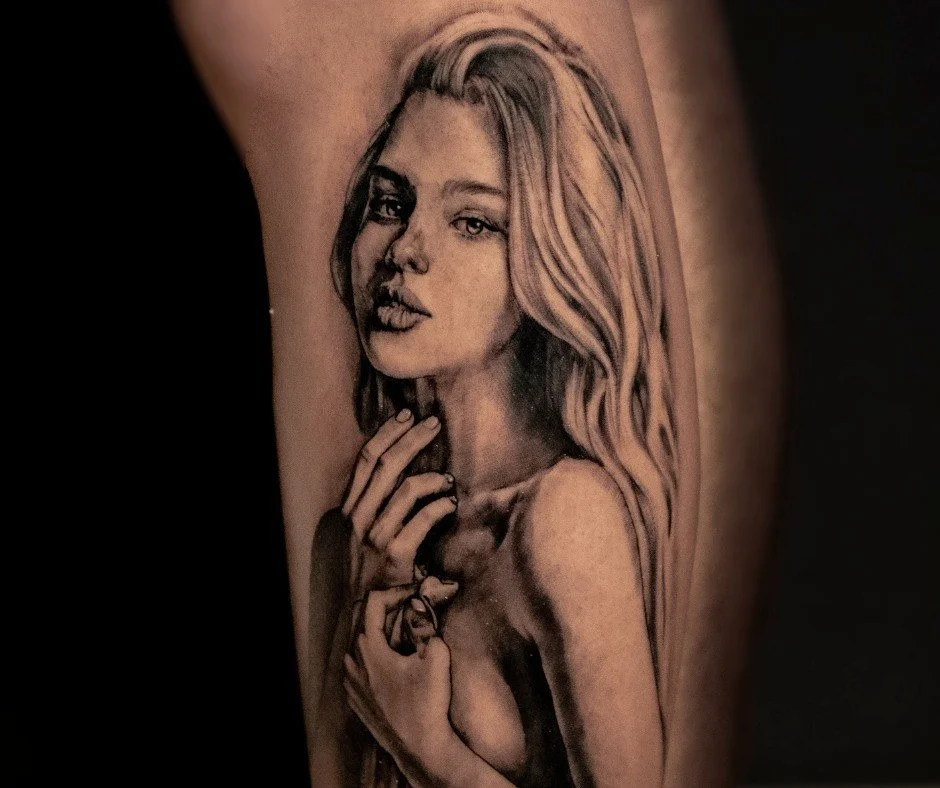
Portraits are among the most meaningful forms of black and grey realism. Whether it is a family member, a child, a loved one who passed, or a personal hero, portraits capture emotion and memory.
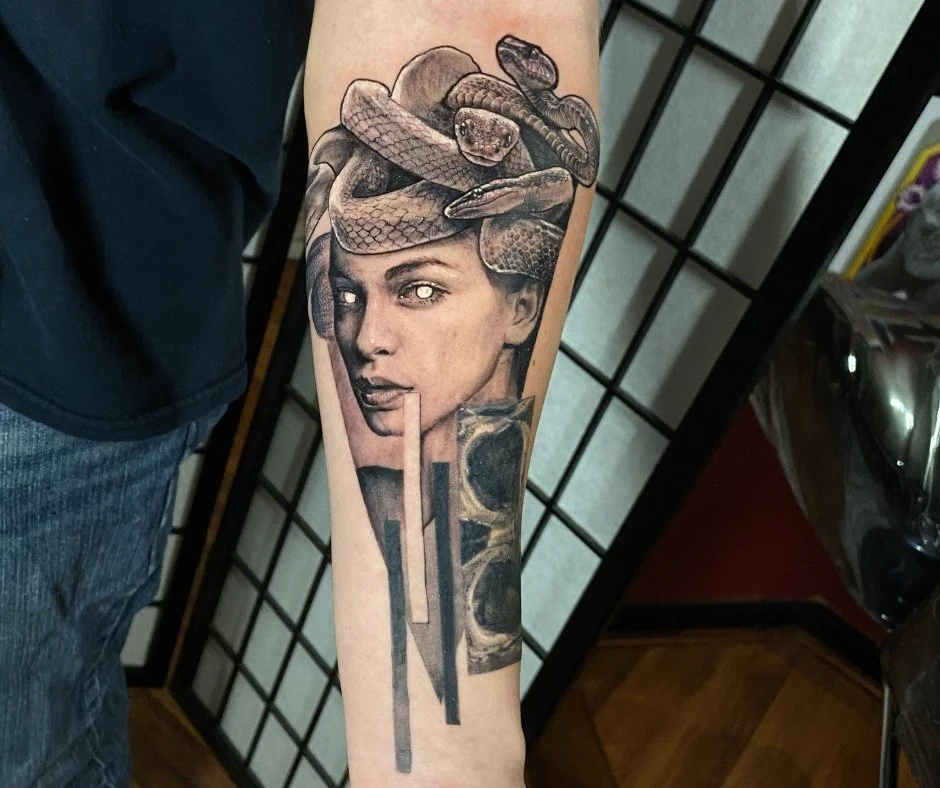
Statue and Mythology Designs
Greek statues, Roman busts, angels, and gods work beautifully in black and grey realism because shading can mimic stone textures and dramatic shadows.
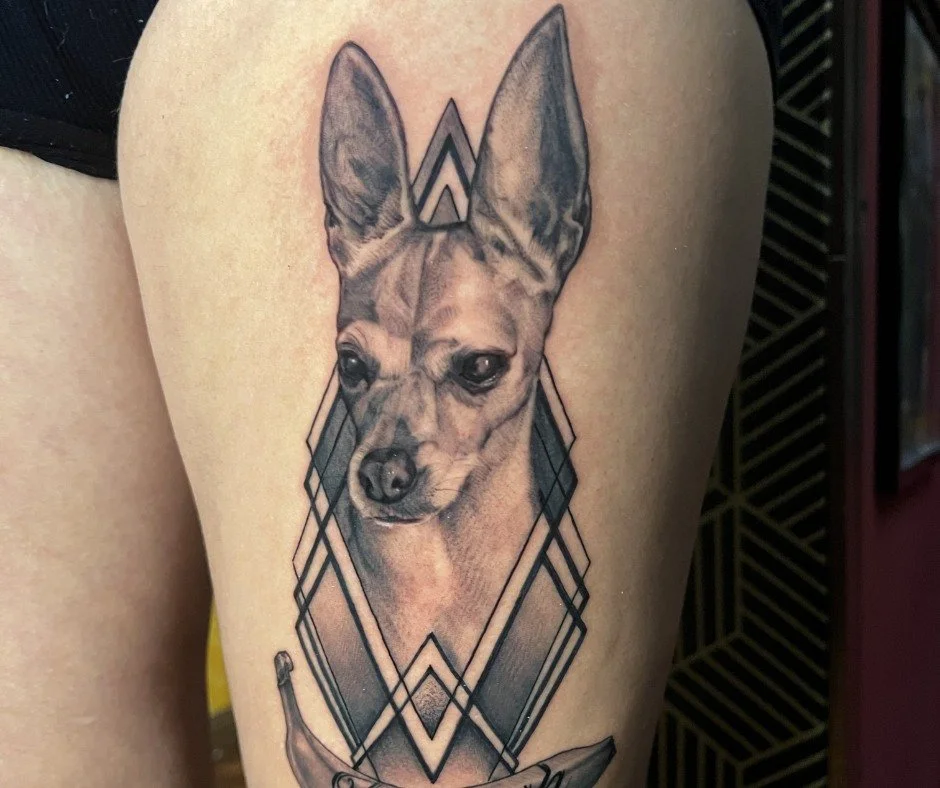
Animal Realism
Wolves, lions, tigers, and birds look incredibly powerful in monochrome because the shading highlights their fur textures and sharp features.
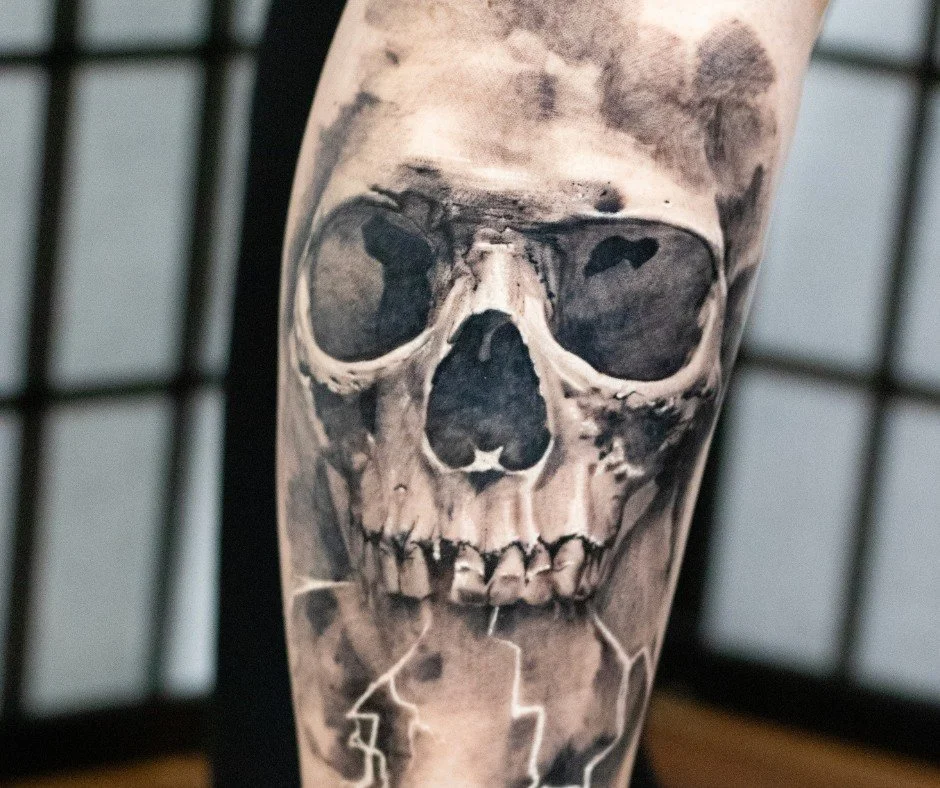
Gothic and Dark Realism
Skulls, ravens, thorns, dark forests, and cinematic shadows combine to create eerie but striking scenes.
Tattoo Sleeves
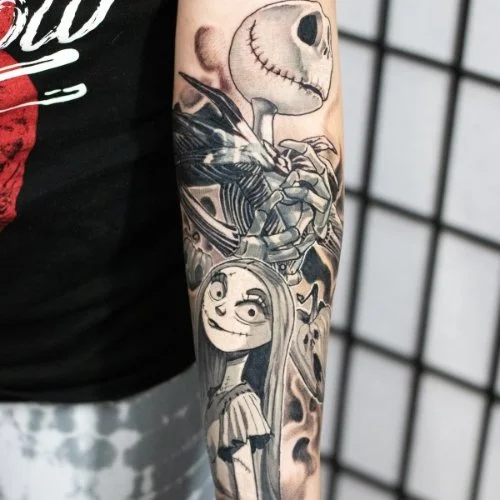
Black and grey sleeves offer cohesive storytelling through multiple images tied together with consistent shading and contrast. Many sleeves include portraits, landscapes, religious motifs, or nature themes.
As you explore the many styles of realism, you may also want to explore other tattoo styles to understand how realism compares to traditional, illustrative, geometric, or neo-traditional art.
Choosing the Right Artist for a Realism Tattoo
Because realism relies heavily on technical precision, choosing an artist with the right background is essential. Here are a few considerations:
Study Their Portfolio
Look for:
• Smooth shading
• Detail consistency
• Photographic accuracy
• Correct anatomy
• Depth and contrast
A skilled realism artist should have a portfolio filled with high-resolution photos of healed pieces, not just fresh ones.
Experience With Realism
Realism takes years of practice. You want someone who specializes in black and grey shading, portrait accuracy, and large-scale compositions.
Attention to Detail
Realism requires patience and a steady hand. Details such as eyelashes, pupils, and skin texture need precision to look natural.
Clean Studio Environment
Safety is just as important as artistry. Make sure the studio uses sterile equipment and high-quality ink.
Placement and Size Considerations
Placement heavily affects how the tattoo looks and ages. Black and grey realism often appears on:
• Forearms
• Upper arms
• Thighs
• Chest
• Back
• Ribs
Larger areas offer more room for detail, making them ideal for portraits, animals, and multi-image sleeves.
Smaller spaces can still hold realism, but the design should be simplified so that detail does not blur over time. Areas like the hands and feet tend to age faster, especially with fine line details.
How Black and Grey Realism Tattoos Age Over Time
One of the reasons this style remains popular is its longevity. Unlike color tattoos, black and grey realism relies on a limited palette, so fading is generally slower and more forgiving.
However, a few factors influence how well the tattoo ages:
Skin Type and Placement
Skin with higher elasticity tends to maintain detail better. Areas exposed to friction or sun may fade faster.
Artist Technique
Smooth gradients and well-placed contrast help the tattoo remain readable over time.
Aftercare and Lifestyle
Sun exposure, sweating, and lack of moisturization can all affect the tattoo as it heals and ages.
Tattoo Size
Small realism tattoos may blur faster because they rely heavily on fine details.
Proper aftercare is key to long-term clarity. Keeping the tattoo hydrated, protected from direct sunlight, and clean during the healing phase makes a dramatic difference.
When Realism Works as a Cover Up
Black and grey realism can be an excellent cover-up choice when done correctly. Its ability to layer shading creates soft transitions that blend previous ink into the new design.
Ideal cover-up subjects include:
• Portraits
• Animals
• Statues
• Floral pieces
• High-contrast compositions
However, the existing tattoo must be assessed first. Certain shapes or heavy dark lines may require laser lightening before a clean realism piece can be applied.
If you are considering a large cover-up or want to transform an older tattoo into something more meaningful, working with artists who offer customized tattoo designs can help you build a piece tailored to your skin and your vision.
Black and Grey Realism Compared to Other Styles
Black and grey realism stands out from other tattoo styles due to its focus on depth, texture, and fine detail. Some comparisons include:
Blackwork
Blackwork uses bold lines and solid fields of black. Realism uses gradients and layered shading.
Fine Line Tattoos
Fine line tattoos use thin lines and minimal shading. Realism focuses on dimension and lifelike detail.
Neo Traditional
Neo traditional tattoos rely on bold outlines and vibrant colors. Realism uses shadow and contrast instead.
Geometric
Geometric tattoos emphasize symmetry, patterns, and line work, while realism focuses on organic textures and imagery.
Understanding these differences helps clients make informed choices about their next tattoo.
Aftercare Tips to Protect Your Tattoo
Proper aftercare is essential for maintaining the clarity and detail of your black and grey realism tattoo.
During Healing
• Keep the tattoo clean and moisturized.
• Avoid direct sunlight.
• Do not scratch or pick at peeling skin.
• Avoid submerging it in water.
Long Term
• Use sunscreen daily on exposed areas.
• Moisturize regularly.
• Avoid excessive friction or irritation.
Taking care of the tattoo helps preserve the gradients and highlights that make realism designs so striking.
Conclusion
Black and grey realism tattoos capture emotion, memory, and personal meaning through shadows, contrast, and careful craftsmanship. Whether you want a portrait, animal design, or a full sleeve, this style offers endless opportunities for creative expression. As you continue exploring tattoo concepts, studio options, and personalization approaches, working with artists who offer customized tattoo designs can help bring your ideas to life in a way that feels meaningful and long-lasting.
A well-crafted realism tattoo becomes more than art. It becomes part of your story.
FAQs
-
Black and grey tattoos often age more gracefully because they rely on shading rather than bold color. While all tattoos fade over time, black ink tends to hold up better, especially when protected from sun exposure.
-
Realism tattoos usually require long, steady shading sessions. The discomfort level depends on placement and your personal tolerance, but most people find the experience manageable, especially with breaks during the appointment.
-
The timeline depends on size, complexity, and skin type. A small realism piece might take a few hours, while a large sleeve or back piece could require several sessions spaced over weeks or months.