Exploring the Blackwork Tattoo Style
Imagine walking into a room and instantly drawing eyes with a design that's simple yet commanding. That's the magic of blackwork tattoos. They stand out with their sharp lines and deep shadows, creating a visual punch that's hard to ignore. This style has grown in popularity for its clean, graphic appeal, making it a favorite among those who want something bold without the fuss of colors.
Blackwork tattoos rely on solid black ink and the skin's natural tone to form patterns and images. It's all about contrast, where the darkness of the ink plays against empty spaces to build depth and interest. If you're curious about how this fits into the world of ink, it connects well with other approaches in the different tattoo styles out there. Whether you're new to tattoos or adding to your collection, understanding blackwork can open up fresh ideas for your next piece.
This guide dives into what makes blackwork unique, from its roots to modern twists. We'll cover why people love it, the various substyles, design tips, and even care advice. By the end, you'll see why this style packs such a powerful statement.
What Is Blackwork Tattoo Style?
At its core, blackwork is a technique that uses only black ink to create designs. Artists fill in areas solidly, leaving parts of the skin bare to act as "negative space." This creates a stark contrast that gives the tattoo its graphic, almost illustrative quality. Unlike colorful pieces, blackwork thrives on simplicity and boldness.
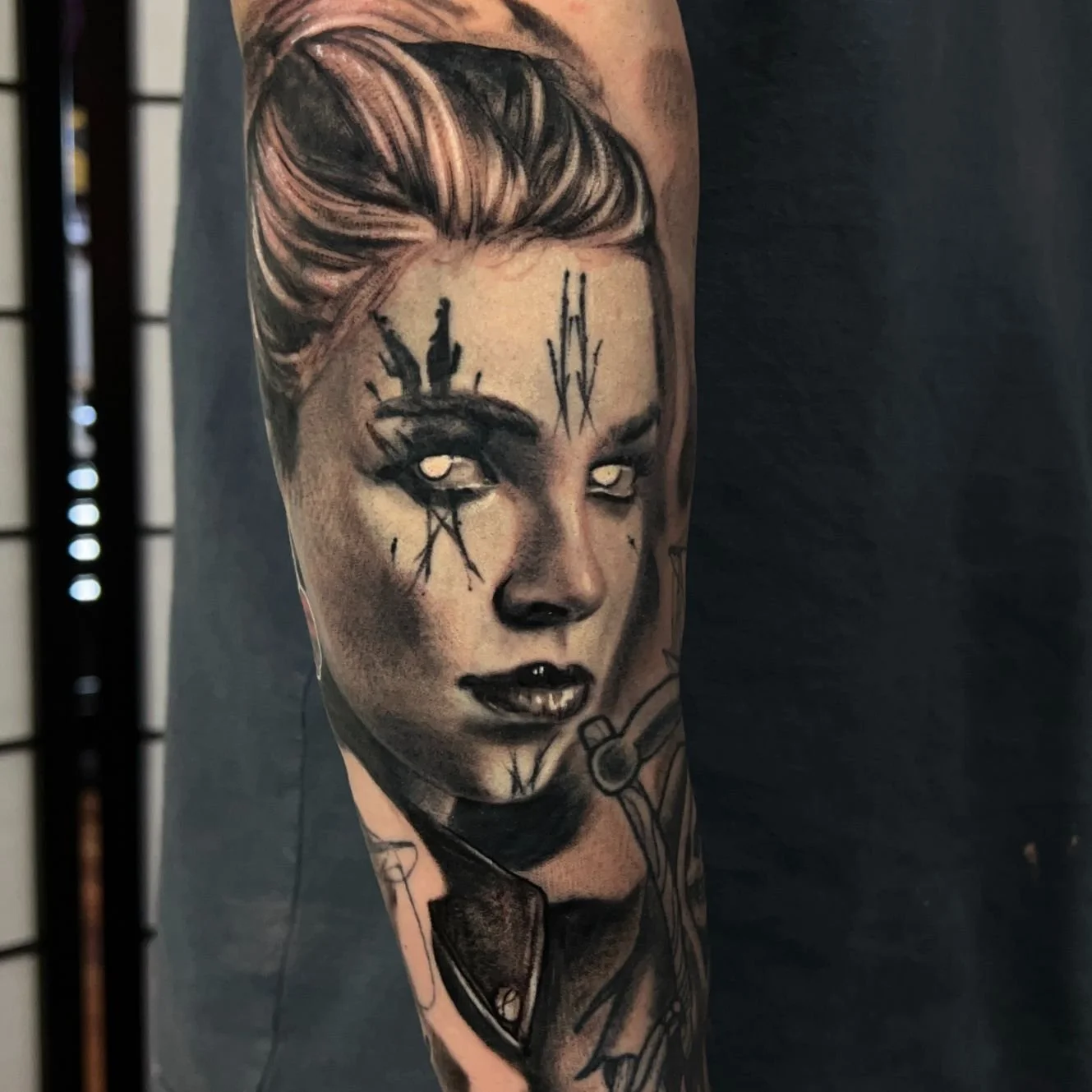
One key difference is how it stands apart from black-and-gray tattoos. Black-and-gray work often involves shading with diluted inks to mimic gradients, like in portraits or realistic scenes. Blackwork, on the other hand, emphasizes full saturation. It's about those crisp, opaque blacks that don't fade into grays. This makes it ideal for patterns that need to pop.
The style has deep historical ties. It draws from ancient tribal practices, like those in Polynesian cultures where tattoos marked status or told stories through bold symbols. Over time, it evolved, blending with modern art forms. Today, it's not just about tradition; it's a canvas for personal expression.
If you're thinking of getting one, consider visiting a reputable tattoo studio that specializes in this kind of work. They can help translate your ideas into something timeless.
Why People Choose Blackwork
People gravitate toward blackwork for many reasons, starting with its symbolic depth. These tattoos often represent strength, resilience, or a stripped-down view of life. The absence of color forces focus on the form itself, which can symbolize clarity or minimalism in a chaotic world. For some, it's a way to honor heritage, especially if drawing from tribal motifs.
Aesthetically, the appeal is undeniable. The high contrast creates a dramatic effect that's visible from afar. It's like wearing a piece of graphic art on your skin. In a sea of intricate, multicolored designs, blackwork offers a refreshing break with its clean lines.
On the practical side, blackwork holds up well over time. Black ink tends to stay vibrant longer than colors, resisting fading from sun exposure or aging skin. This durability means fewer touch-ups, making it a smart choice for long-term wear. Plus, the style's boldness can cover up older tattoos effectively, giving a fresh start without complicated removals.
Main Substyles of Blackwork
Blackwork isn't one-size-fits-all; it branches into several substyles, each with its own flavor. Let's break them down.
Tribal or traditional blackwork pulls from ancient roots. Think thick lines and repeating patterns inspired by indigenous cultures. These often carry cultural significance, like protection or lineage symbols. They're popular for their rhythmic flow and historical vibe.
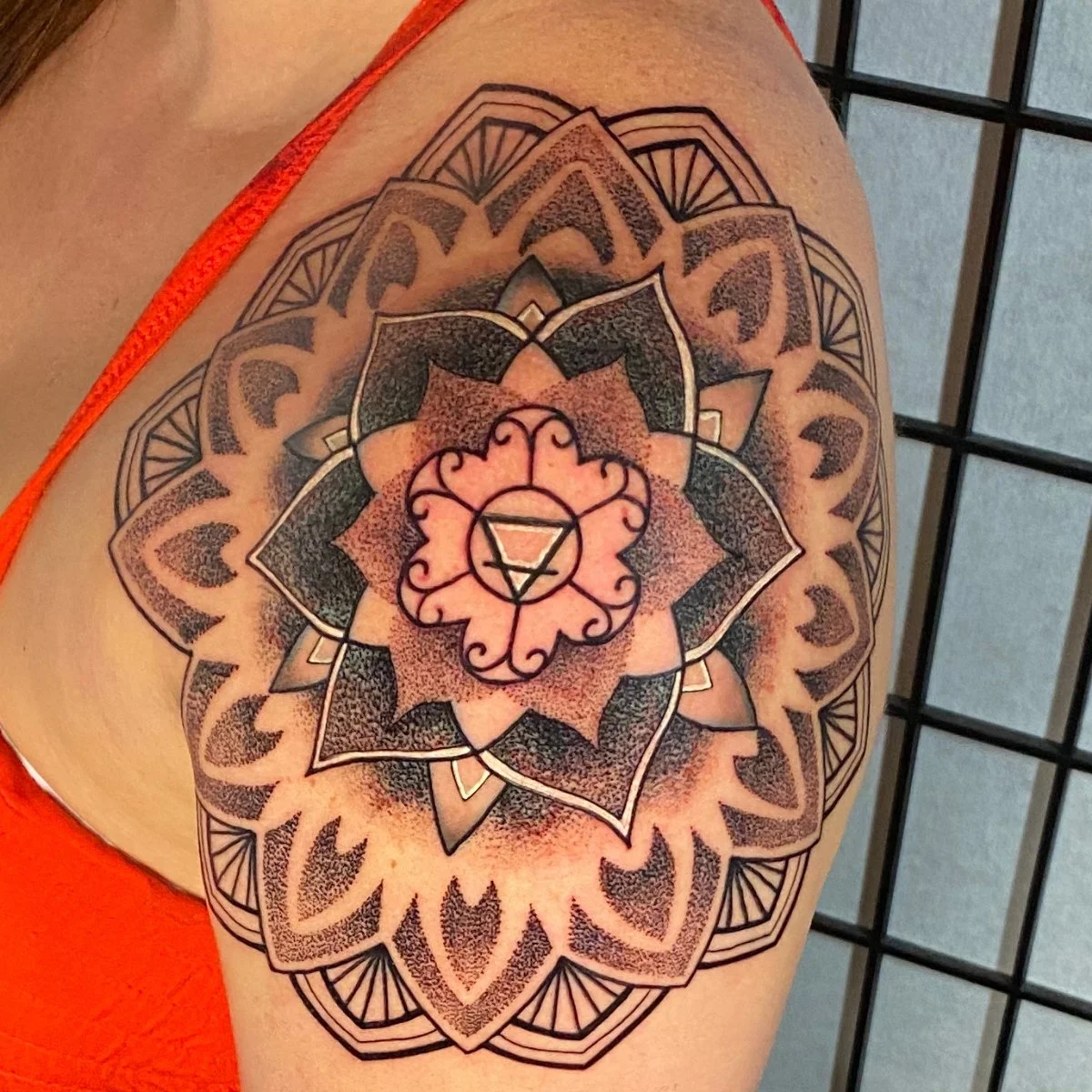
Geometric blackwork focuses on shapes and symmetry. Mandalas, sacred geometry, or interlocking patterns create a sense of balance. It's great for those who appreciate math-inspired art or spiritual elements. The precision here highlights the artist's skill in aligning everything perfectly.
Abstract blackwork gets more fluid and experimental. It might look like ink spills or asymmetrical forms that flow across the body. This substyle allows for creativity, turning the skin into an abstract canvas. It's ideal if you want something unique that sparks conversation.
Dotwork, or stippling, builds images through tiny dots. Instead of solid fills, artists layer points to create shading and texture. This gives a softer edge to the contrast, almost like a pointillist painting. It's time-intensive but results in intricate details.
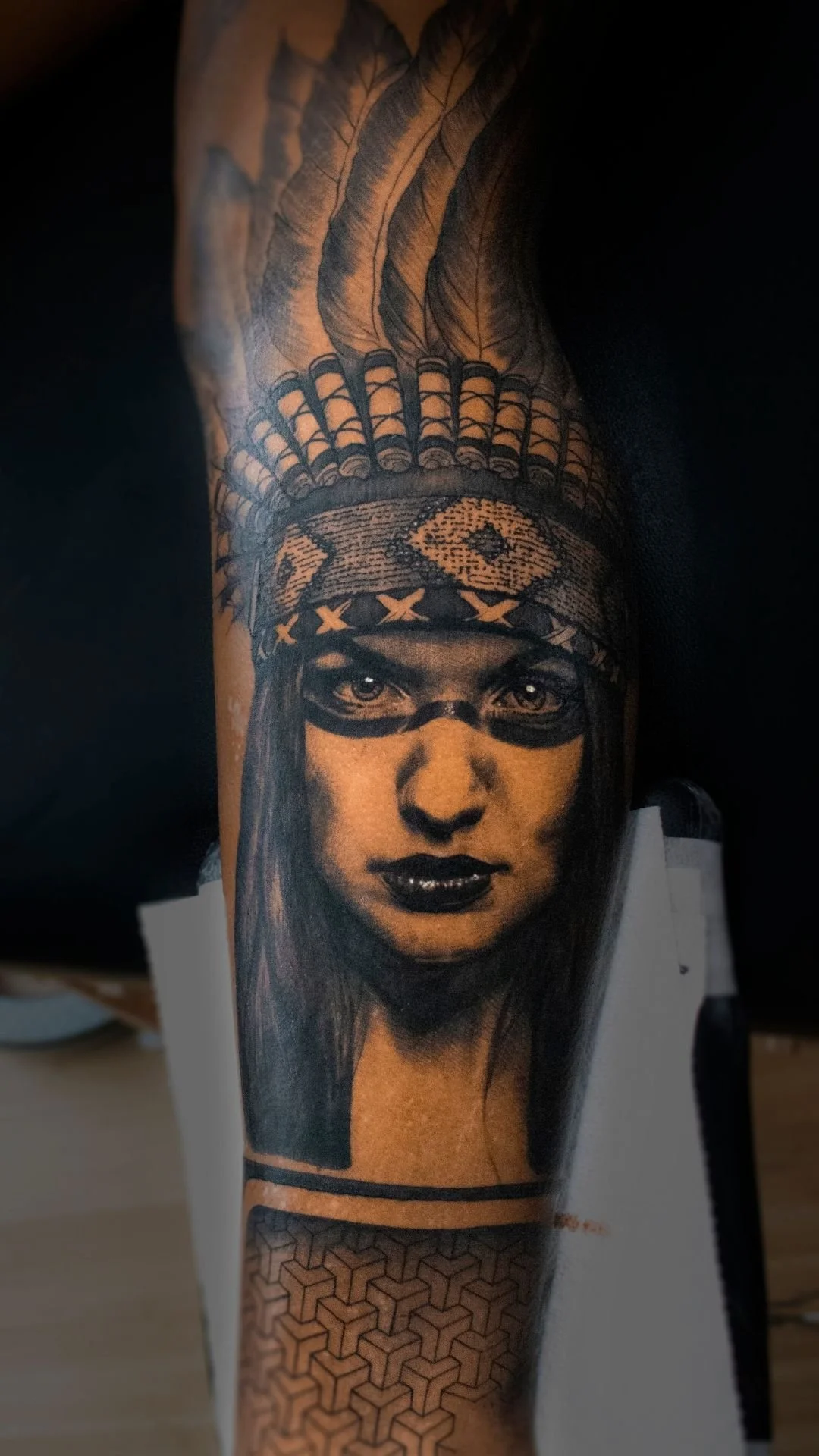
Illustrative blackwork mimics drawings or engravings. Using fine lines and cross-hatching, it can depict scenes, animals, or figures in a storybook style. The contrast comes from varying line weights, adding depth without grays.
Ornamental or architectural blackwork features elaborate patterns like filigree or lace. These are decorative, often wrapping around limbs like jewelry. They blend beauty with structure, perfect for accentuating body contours.
Finally, blackout tattoos take it to the extreme by covering large areas in pure black. This creates a silhouette effect, where the design emerges from the solid field. It's bold and not for everyone, but it makes a strong statement.
Each substyle offers ways to personalize, blending elements for hybrid designs.
Design & Placement Ideas
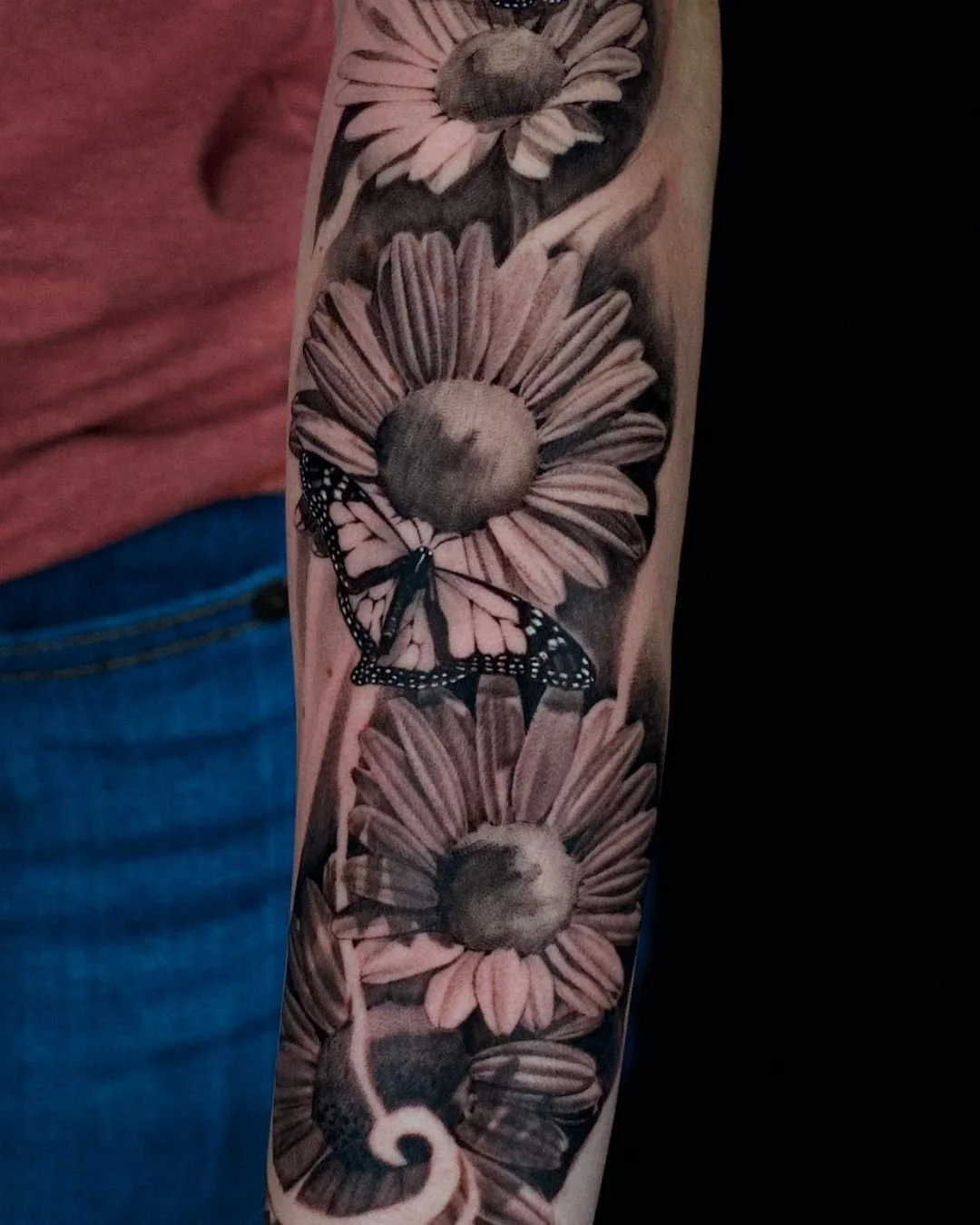
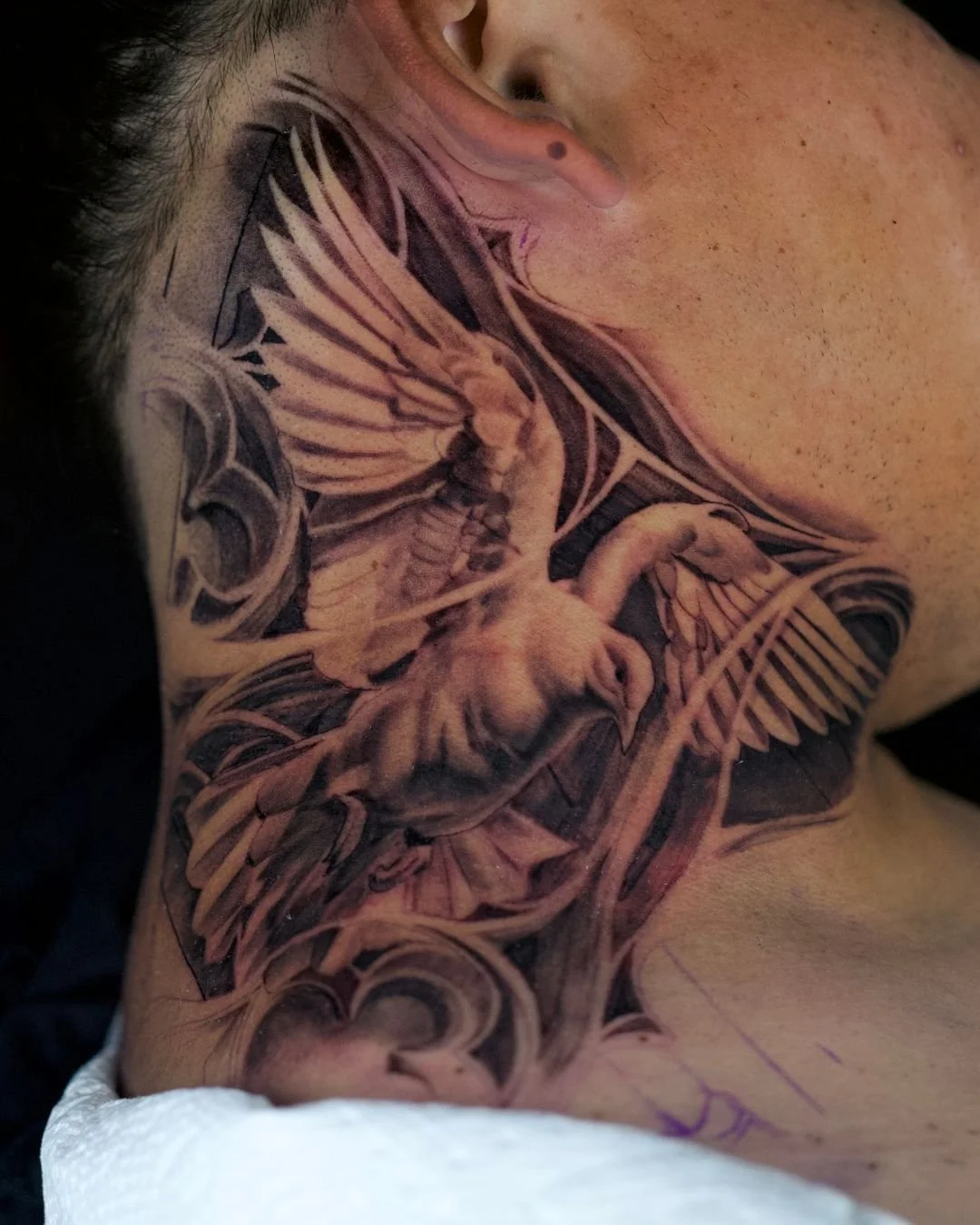
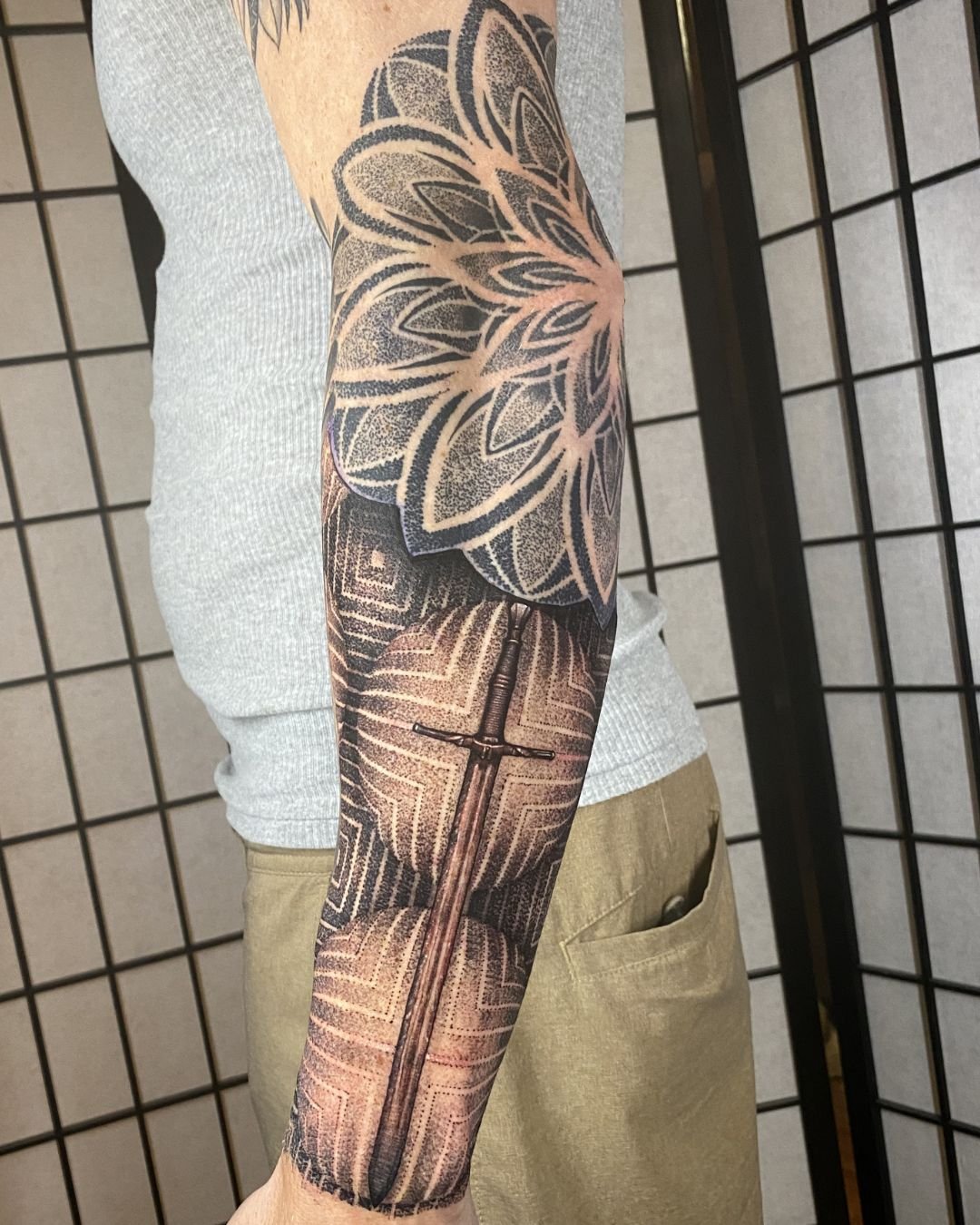
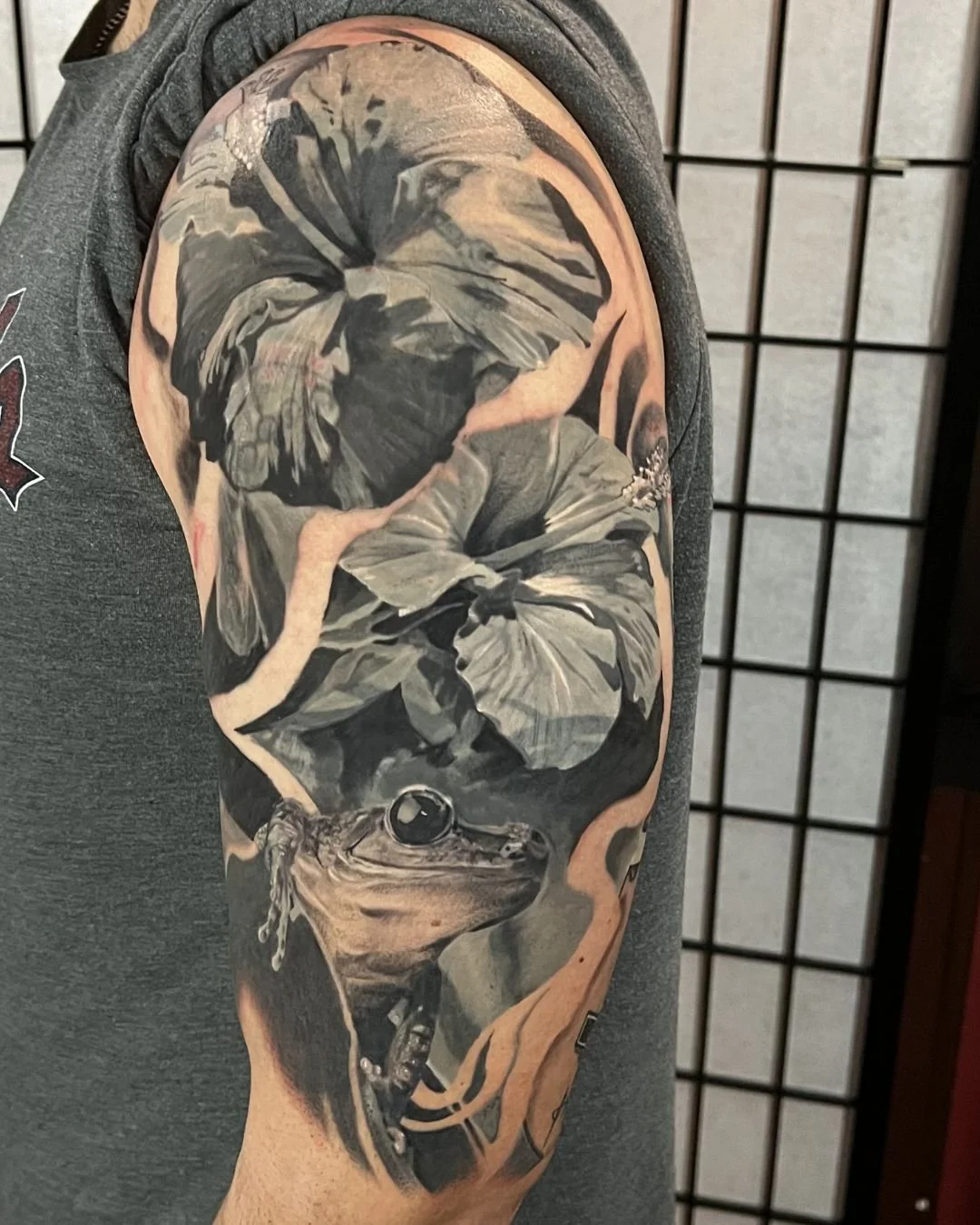
When it comes to designs, blackwork shines in versatility. Popular ideas include geometric sleeves that wrap the arm in patterns, creating an optical illusion. For something smaller, minimalist symbols like arrows or runes work well on wrists or ankles.
Placement matters because blackwork's contrast needs space to breathe. A blackwork tattoo sleeve is a classic choice, allowing for expansive designs that flow with the arm's movement. The length provides room for intricate details without overwhelming.
Blackwork neck tattoos offer edginess, framing the face with bold lines. They're visible and make a statement, but consider job implications if that's a factor.
For hands, blackwork hand tattoos can be subtle or striking. Think rings of patterns or symbols on fingers. The area's movement adds dynamism, but be ready for faster fading due to frequent use.
Back pieces allow for larger canvases, like full mandalas or abstract flows. The flat surface suits symmetrical designs.
If you have old ink, blackwork excels at cover-ups. Its dense black can overlay faded colors, incorporating them into new patterns. Layering over healed areas builds depth without issues.
For truly unique pieces, explore custom design tattoos that tailor the style to your story.
Choosing an Artist & Getting Started
Finding the right artist is key. Look for someone experienced in blackwork, especially handling saturation and negative space. Check portfolios for clean lines and healed examples; fresh tattoos look great, but longevity matters.
Ask about their process. Do they sketch digitally or freehand? Discuss ideas openly to ensure alignment.
Consider healing: blackwork's heavy ink can mean more swelling initially. Risks like blowouts where ink spreads under skin happen if not done right, so choose pros.
Touch-ups might be needed after a few months to perfect edges.
Care & Maintenance
Aftercare is crucial for blackwork's crisp look. Keep it clean with mild soap, moisturize lightly, and avoid sun for weeks. Don't pick scabs; let it heal naturally.
Long-term, use sunscreen to prevent fading. Hydrate skin daily. Black ink holds well, but lifestyle factors like smoking can dull it over time.
Schedule check-ins with your artist for any tweaks.
Blackwork in Community & Culture
Blackwork ties back to traditional cultures, like Polynesian tattoos that convey stories and status. Indigenous groups worldwide used similar methods for rituals.
Today, the community thrives with artists innovating abstract and esoteric designs. Social media showcases boundary-pushing work, inspiring new fans.
Ethically, respect origins. If using tribal elements, learn their meanings and avoid appropriation. Support artists from those cultures.
This style fosters a sense of belonging among tattoo enthusiasts who value its raw power.
Conclusion
Blackwork tattoos harness contrast to create timeless art. From tribal roots to modern abstracts, they offer boldness and meaning in a minimalist package. Whether a sleeve or subtle symbol, this style adapts to your vision.
If blackwork intrigues you, it's worth exploring further. Compare it to others to find your fit. Dive into the world of ink and discover what resonates.
FAQs
-
Blackwork stands out by using only black ink and negative space for high contrast. Unlike colorful or shaded styles, it emphasizes graphic boldness and simplicity, making designs pop with minimal elements.
-
Yes, they're a great entry point due to their durability and straightforward healing. Start small to test the waters, and choose an experienced artist to ensure a positive experience.
-
With proper care, they can stay vibrant for decades. Black ink resists fading better than colors, but sun protection and moisturizing are essential to maintain that sharp contrast over time.