Do Fine Line Tattoos Age Well? Expert Tips for Longevity, Aftercare & Placement
Fine line tattoos have become one of the most requested styles in studios across Florida and beyond. Delicate botanical wraps, micro-realistic portraits, single-needle script, and intricate geometric patterns dominate social feeds for good reason, they offer elegance and subtlety that bolder traditional work simply can’t match. When weighing these modern, minimalist tattoos against classic, bolder styles, check out our different tattoo styles guide. Still, the question that comes up in nearly every consultation remains: “Do fine line tattoos age well?”
The answer is yes, they can age beautifully, but they require more thoughtful planning and consistent care than heavily shaded or bold-line styles. When done correctly and maintained properly, many fine line pieces remain recognizable and attractive for 10–15 years or longer. When corners are cut, they can soften into gentle blurs much sooner.
This guide covers exactly what happens to fine line tattoos over time, which factors make the biggest difference, and proven strategies to keep them looking sharp for as long as possible.
When the time comes to bring a design to life, choosing a professional tattoo studio experienced in precision line work is the first step toward long-term success.
What Exactly Is a Fine Line Tattoo?
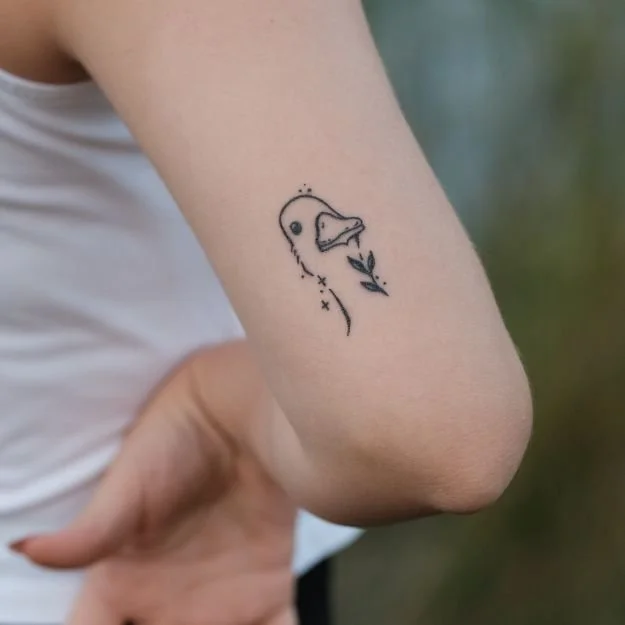
Fine line tattoos are created with extremely small needle configurations (often a single round liner or 3RL) and lighter pressure than traditional tattooing. Line thickness typically ranges from 0.1 mm to 0.3 mm, resulting in hair-fine details that appear almost drawn rather than inked.
Most are executed in black or dark gray ink, though many artists incorporate subtle gray wash for soft dimension. Popular motifs include floral fine line tattoos, geometric fine line tattoos, minimalist symbols, handwritten quotes, and tiny realistic elements.
Because the ink is deposited more superficially than in traditional or blackwork styles, the initial appearance is exceptionally crisp. That same characteristic, however, influences how the tattoo behaves as skin naturally regenerates over the years.
How Fine Line Tattoos Actually Age Over Time
Year 0–1: The tattoo settles. Initial sharpness softens slightly as the skin heals and epidermal layers regenerate. This is normal and expected.
Year 1–5: Lines transition into a softer, almost watercolor-like quality. Many clients report loving this phase even more than the fresh tattoo, especially with botanical or geometric designs.
Year 5–10: Well-placed pieces on stable skin continue to hold readable detail. Designs on high-friction or high-sun-exposure areas begin showing more noticeable fade or light gray blurring.
Year 10+: Exceptional examples on the upper arm, back, or thigh can still display clear outlines. Pieces on fingers, hands, feet, or ribs often evolve into soft shadows rather than distinct lines.
Unlike poorly executed bold tattoos that can develop blowouts or muddy patches, fine line work tends to fade gracefully rather than looking damaged.
Key Factors That Determine Long-Term Results
1. Placement
Placement is the single most important variable.
Areas that age best:
Outer upper arm
Upper back and shoulder blades
Upper/outer thigh
Calf
Forearm (away from wrist bend)
Areas that age fastest:
Fingers and hands
Inner wrist
Feet and ankles
Ribcage and sternum
Any location with constant friction or stretching
In Florida’s climate, sun exposure dramatically accelerates fading on collarbones, shoulders, and lower legs if proper protection is not used daily.
2. Skin Type and Lifestyle
Oily skin disperses fine ink particles faster than dry or neutral skin. Natural aging, smoking, frequent tanning, and inconsistent moisturizing all shorten crispness lifespan. Hydration, daily moisturizer, and strict sun protection extend it significantly.
3. Artist Technique and Materials
Experienced fine line specialists use rotary machines calibrated for light work, medical-grade needles, and high-quality inks with smaller pigment molecules. Asking to see healed photos from 3–5 years prior is the best way to judge real-world longevity.
4. Design Considerations
Larger designs with some negative space hold detail longer than tiny pieces. Incorporating light gray wash or small areas of solid black helps maintain readability as pure outlines soften. Geometric fine line tattoos and floral fine line tattoos with strategic shading tend to age better than pure outline script.
Anyone still deciding on a direction will find it helpful to explore different tattoo styles to see how fine line work compares and combines with other approaches.
Fine Line Tattoo Aftercare: The Foundation for Decades of Clarity
The first 30–45 days set the tone for the next 30 years.
Days 1–3: Follow the artist’s wrapping protocol (usually second-skin or cling film), then begin gentle washing twice daily with fragrance-free antimicrobial soap.
Days 4–14: Wash, pat dry, apply a thin layer of recommended healing balm or fragrance-free lotion. Avoid submersion, scratching, and direct sunlight.
Weeks 3–6: Transition to lighter lotion. Begin sunscreen application (SPF 50+ mineral preferred) once fully healed.
Long-term habits that preserve detail:
Daily moisturizing with ceramide-rich lotion
Year-round broad-spectrum SPF 50+ reapplication
Gentle weekly exfoliation to prevent buildup of dead skin
Immediate reapplication of sunscreen after swimming or sweating
Detailed, up-to-date tattoo aftercare protocols that account for Florida’s heat and humidity are essential reading before any appointment.
Maintenance and Touch-Ups
Most fine line pieces benefit from a refresh session between years 5–8. Touch-ups are quick (often 30–60 minutes) and cost significantly less than the original tattoo. Signs a refresh is worthwhile include overall lightening to soft gray, small gaps where ink dropped out, or simply wanting the original crispness back.
Returning to the original artist ensures consistency in style and technique.
Do Fine Line Tattoos Hurt Less?
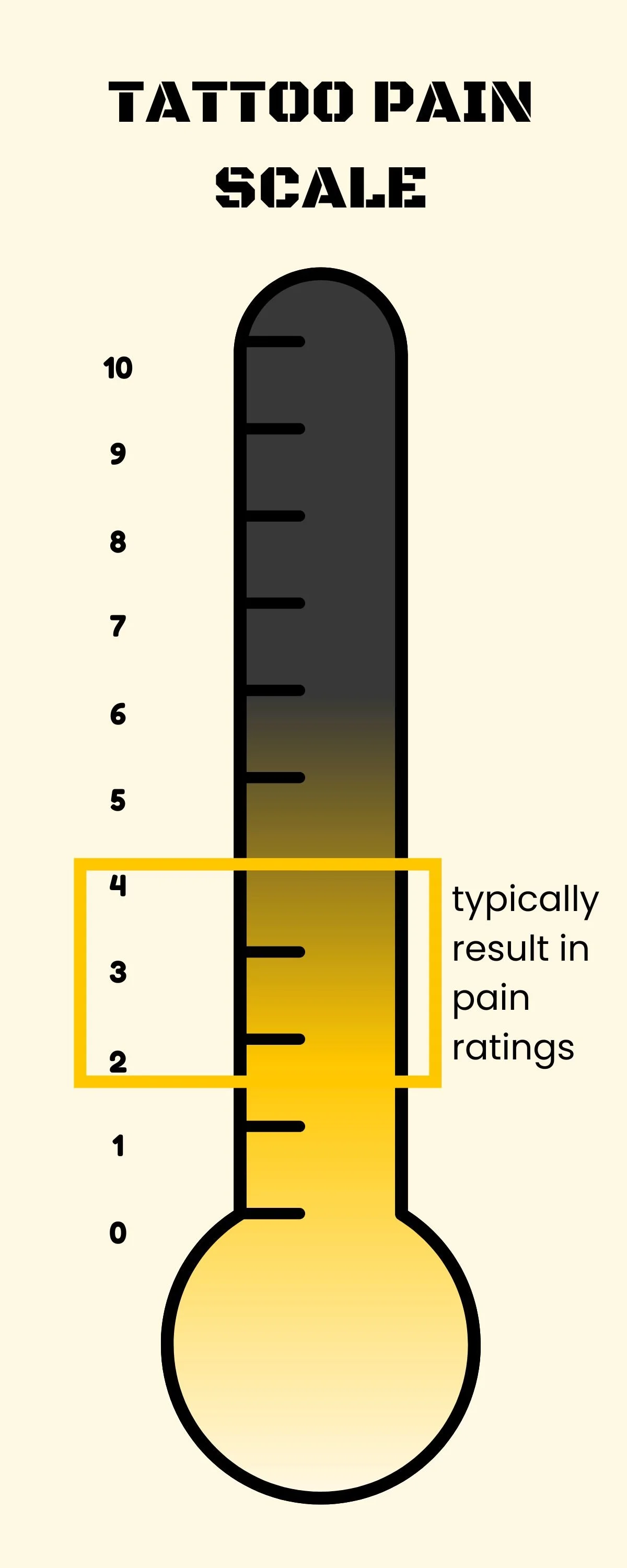
In almost all cases, yes. The lighter hand pressure and smaller needle size typically result in pain ratings of 2–4 out of 10, even in sensitive areas. Clients who fear ribs or spine work often find fine line versions surprisingly tolerable.
Making the Right Choice from the Start
Portfolio review should focus on healed work, not just fresh photos. Look for artists whose Instagram or website shows consistent fine line black and grey results at the 3-year, 5-year, and 10-year marks. Specialization matters more than general talent when longevity is the goal.
Final Takeaway
Fine line tattoos are not inherently short-lived. With informed placement, skilled execution, and disciplined daily care, they can remain elegant and recognizable for decades. Their gradual softening is part of their charm; they evolve with the wearer rather than fighting against time.
The difference between a piece that looks stunning at year ten and one that fades prematurely almost always comes down to decisions made before the needle ever touches skin and habits maintained long after healing is complete.
When a design feels exactly right, starting with a customized tattoo consultation allows adjustments for size, placement, and subtle shading that can add years of clarity without sacrificing the delicate aesthetic.
FAQS
-
With optimal placement and care, most retain clear detail for 5–10 years. Pieces on stable, low-friction areas with daily sun protection can stay sharp 15+ years before requiring a touch-up.
-
Not if sun protection becomes non-negotiable. Daily SPF 50+ mineral sunscreen, UPF clothing, and shade-seeking habits allow South Florida residents to wear fine line work that ages just as well as pieces on clients in cooler climates.
-
Yes, and usually more easily than bold color or heavy blackwork. The lighter ink load means most cover-ups or transformations can be done in one or two sessions, often without laser removal first.