Tattoo Aftercare Essentials: What to Expect After Your West Palm Beach Tattoo Parlor Appointment

Getting a new tattoo feels like a rush of adrenaline mixed with pure excitement. You walk out of the shop, glance down at the fresh ink on your skin, and immediately start wondering: now what? The truth is, the moment you leave the chair, the real work begins. Proper aftercare is the difference between a piece that stays crisp and colorful for decades and one that fades or blurs before its time.
Living in West Palm Beach means your tattoo has to battle constant sun, humidity, and salt air. That Florida lifestyle we all love can be tough on healing skin if you aren’t prepared. The good news? A few simple habits in the first few weeks will protect your investment and keep the colors popping for years.
If you just left one of the many talented tattoo shops in West Palm Beach, this guide is written exactly for you. Let’s walk through everything you need to know, step by step, so you can heal comfortably and confidently.
The Four Stages of Tattoo Healing (And What Your Skin Is Actually Doing)
Every tattoo heals in four predictable stages. Knowing what’s normal helps you stay calm when things start to look a little wild.
Stage 1 – Days 1 to 3: The Open Wound Phase
Your new piece is technically an open wound. It will ooze a mix of plasma, ink, and a tiny bit of blood. Redness, mild swelling, and warmth are completely expected. Think of it like a bad sunburn that leaks a little.
Stage 2 – Days 4 to 14: The Itchy, Scabby Phase
The surface starts closing up. A thin, shiny layer forms (this is NOT a scab you pick). Itching kicks in hard. This is when most people panic and scratch. Resist the urge. Scratching now can pull ink out and leave pale spots.
Stage 3 – Days 15 to 30: The Peeling and Flaking Phase
Your tattoo will flake like a peeling sunburn. Bigger pieces look dramatic, almost like paint chips coming off. Colors often appear cloudy or dull underneath the flakes. This is normal. The top layer of skin is shedding while new skin grows underneath.
Stage 4 – Month 1 to 6: The Deep Healing Phase
The surface might look healed by week three or four, but deeper layers of skin are still rebuilding. Your tattoo may still feel slightly raised, and the colors can look milky until everything settles. Full healing underneath the skin can take up to six months, especially on thicker areas like calves or forearms.
Your Day-by-Day Aftercare Routine (The First Two Weeks Are Critical)
Day 1: Leaving the Shop and the First Wash
Your artist will wrap the tattoo in plastic or a special adhesive bandage. Leave it on for the time they recommend (usually 2 to 24 hours, depending on their method). When it’s time to remove the wrap, do it in the shower with lukewarm water.
Wash gently with fragrance-free, antibacterial soap. Use clean fingertips, never a washcloth or loofah. Pat dry with a paper towel (cloth towels harbor bacteria). Let it air-dry for ten minutes, then apply a very thin layer of the aftercare product your artist gave you or a trusted ointment like Aquaphor.
Days 2 to 3: Wash and Moisturize Twice a Day
Stick to the same gentle washing routine morning and night. After washing, apply a rice-grain-sized amount of ointment and spread it until the tattoo looks slightly shiny, not gooey. Too much product traps bacteria and slows healing.
Wear loose, breathable clothing. In West Palm’s humidity, tight jeans or gym leggings can stick to the area and cause irritation.
Days 4 to 14: Switch to Lotion and Fight the Itch
Most artists say you can switch from ointment to a fragrance-free lotion around day four or five. Look for something light like Lubriderm, Aveeno, or Hustle Butter. Continue washing twice daily. If the itch is driving you crazy, slap the area lightly or use a cold pack over clothing. Never scratch.
Sleeping with a Fresh Tattoo
Sleep on clean sheets the first week. If the tattoo is on your back or leg, try to sleep in a position that keeps pressure off it. An extra pillow between your knees or under your arm can help. Some people wrap the area loosely with plastic wrap for the first couple of nights to protect sheets (just don’t leave it on longer than overnight).
Best Aftercare Products That Actually Work in Florida’s Climate
West Palm Beach's heat and humidity demand products that won’t melt or clog pores. Here are the ones local artists and clients swear by:
Aquaphor Healing Ointment – Perfect for the first three to five days. Creates a breathable barrier without suffocating the skin.
Hustle Butter Deluxe – Vegan, smells faintly of coconut, and works great once you switch to the lotion phase.
Dial Gold Liquid Soap – Antibacterial and fragrance-free, available at every drugstore on the island.
CeraVe Healing Ointment or Moisturizing Cream – Hypoallergenic and won’t sting.
Unscented Lubriderm Daily Moisture – Lightweight enough for daily use after week one.
Skip anything with heavy fragrance, alcohol, or petroleum jelly once you’re past the initial healing days. Those colors can fade faster in our intense sun.
Protecting Your New Tattoo from the West Palm Beach Sun
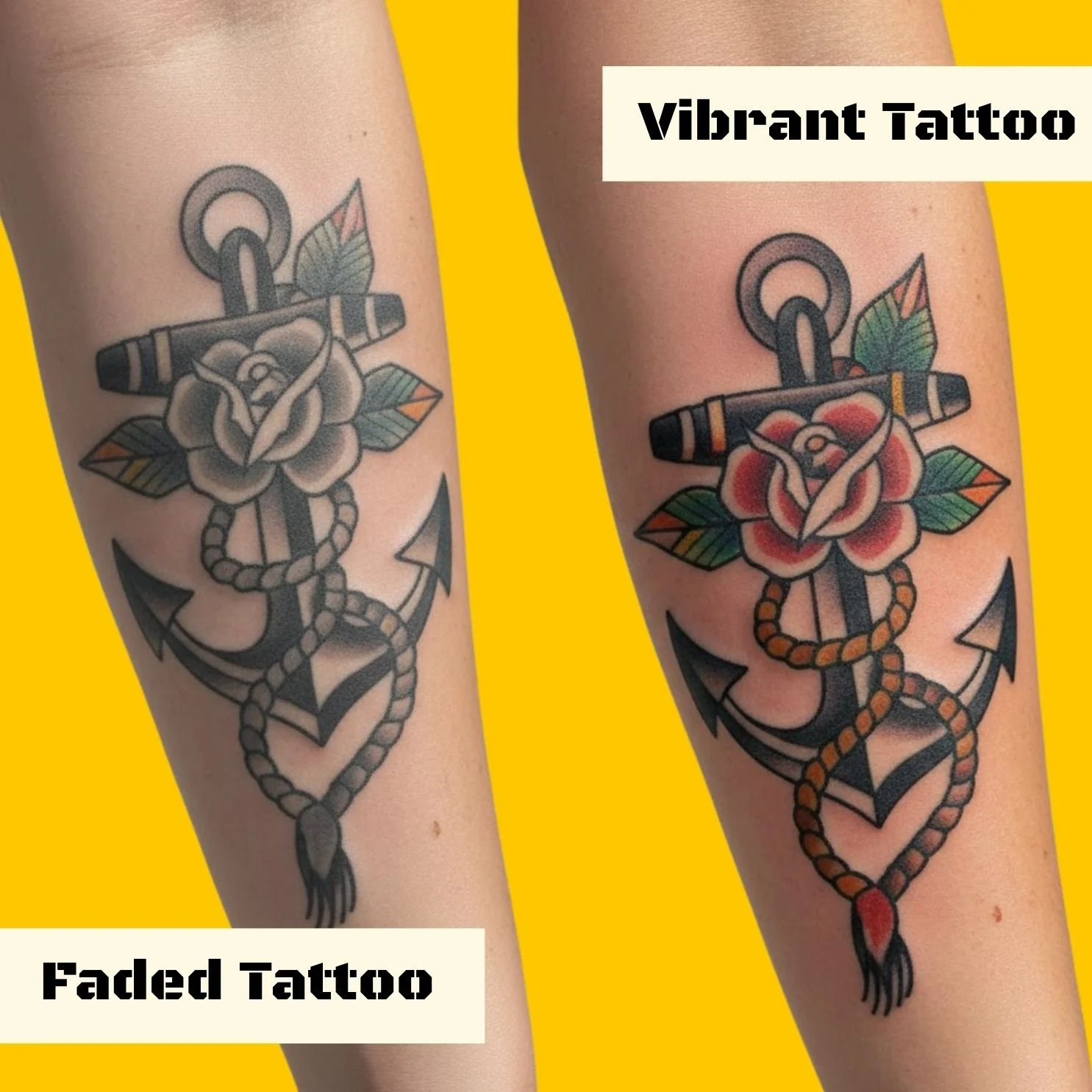
The Florida sun is brutal on fresh ink. UV rays are the number one cause of long-term fading. For the first three weeks, keep the tattoo completely covered when you’re outside. After it’s fully healed (around month one), always apply broad-spectrum SPF 50 or higher. Zinc-based sunscreens work best because they sit on top of the skin instead of absorbing.
If you’re heading to the beach or a boat day, a lightweight UV sleeve or loose long-sleeve rash guard beats slathering sunscreen on a peeling tattoo.
Common Mistakes That Ruin Tattoos (And How to Avoid Them)
Picking or scratching scabs – Leaves white scars and pale patches.
Soaking in pools, oceans, or hot tubs for at least two weeks – Chlorine and bacteria love open skin.
Re-wrapping with non-breathable plastic after the first day – Traps moisture and invites infection.
Wearing tight workout clothes too soon – Friction pulls ink out.
Skipping moisturizer after week three – Dry skin makes colors look dull.
How to Spot Trouble: Signs of Infection
A little redness and tenderness are normal. Call your artist or a doctor if you notice:
Thick yellow or green pus
Red streaks spreading outward
Fever or chills
Swelling that gets worse after day three
Foul odor
Infections are rare when you follow instructions, but catching them early saves your tattoo and your health.
Long-Term Care: Keeping Your Ink Bright for Years
Once your tattoo is fully healed, the work isn’t over. Daily moisturizer keeps skin supple and colors saturated. Touch-ups every few years (especially on hands, feet, or sun-exposed areas) are normal. Many people come back to Wooden Hearts Tattoo for free or low-cost touch-ups on work done in-house.
If you’re dreaming about your next piece, whether it’s a small script or a full customized tattoo, start planning once this one is healed. Artists love seeing how the previous work settled.
Ready for Your Next Piece?
Healing a tattoo the right way is easier than it seems when you know what to expect. Treat the first month like an investment in art you’ll wear forever. When you’re ready for round two (or round ten), the team is always here to help bring your ideas to life. Feel free to book a tattoo appointment online or swing by the shop. Your skin will thank you, and so will your future self when that ink still looks fire years down the road.

FAQS
-
The surface usually looks healed in two to four weeks, but the deeper layers can take four to six months. Colors often brighten again around the three-month mark once everything settles.
-
No swimming or soaking for at least two weeks, sometimes three if it’s a large piece. Salt water and chlorine dramatically increase infection risk while the skin is still open.
-
Most artists say day four or five is safe to switch, as long as there’s no more oozing. Listen to your artist’s specific instructions, because every shop has slightly different preferences.